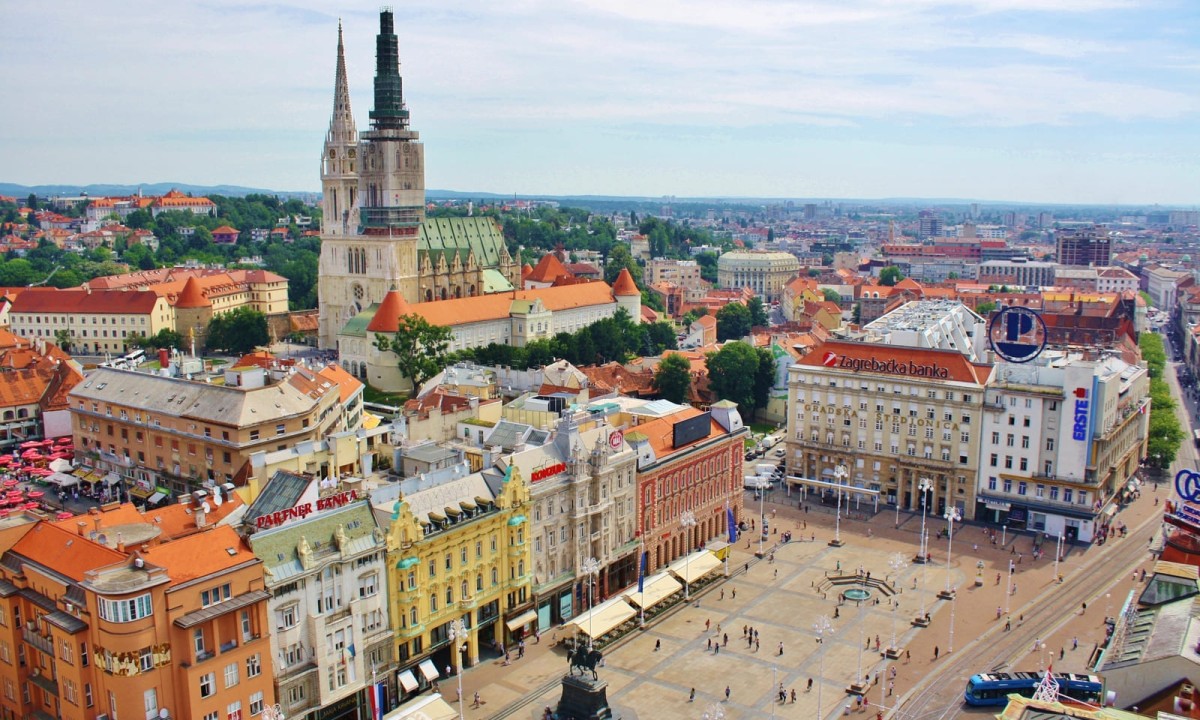
Zagreb as one of the most dynamic real estate markets in Croatia
In recent years, Zagreb has seen continuous interest from both domestic and foreign buyers. As the capital and economic center of Croatia, it offers a wide range of properties, from modern new developments in contemporary complexes to apartments in historic buildings full of character and story.
For most people, buying property in Zagreb represents one of the most important life decisions. In addition to the financial aspect, there are emotional factors, long-term security, and the desire for a quality living space. That’s why it’s important to understand what to realistically expect throughout the entire process, from the first viewing to the final registration of ownership.
What does the real estate market in Zagreb look like?
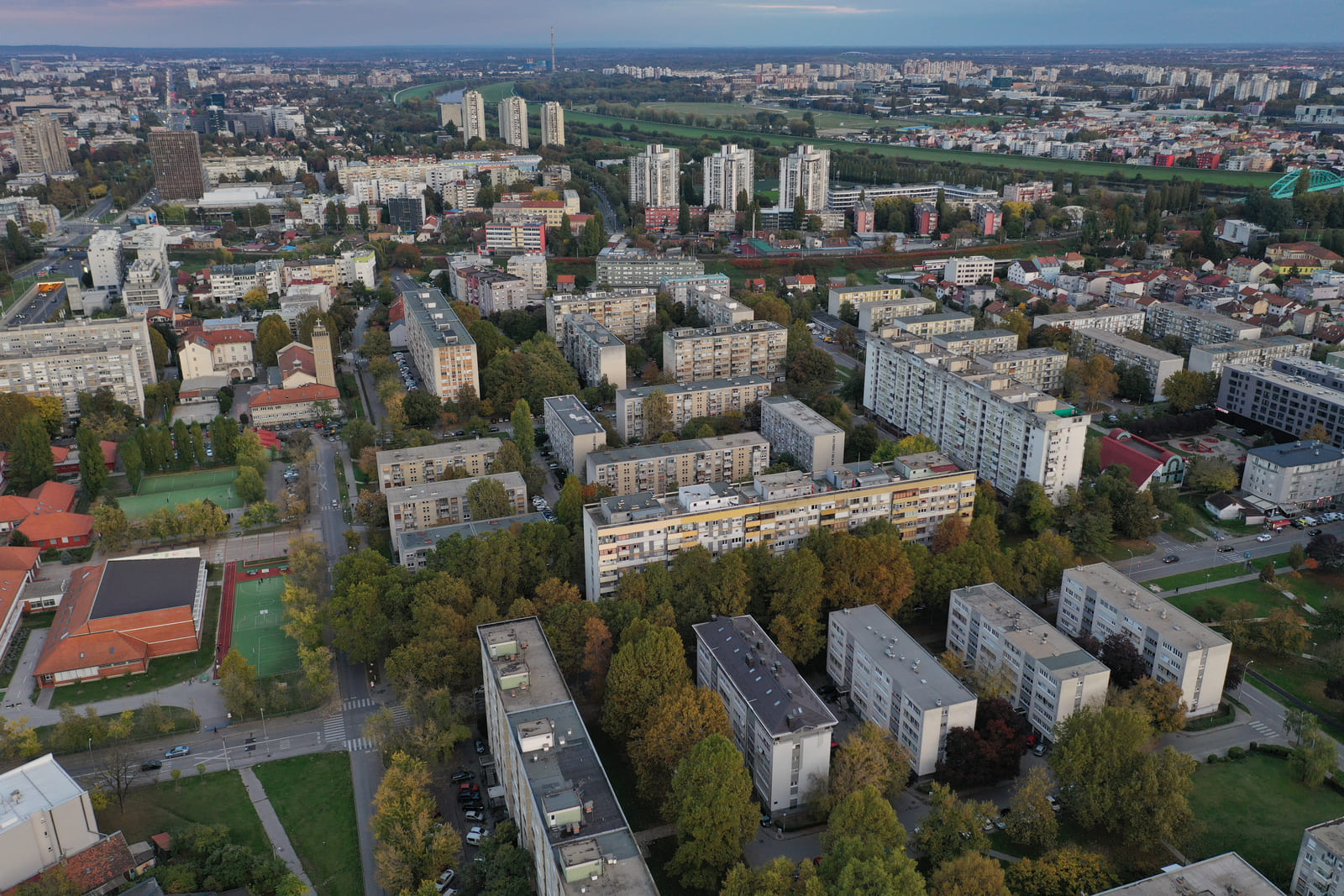
The Zagreb market is diverse and highly segmented, meaning that supply and prices vary significantly depending on location, property type, and year of construction.
In the wider city center and neighborhoods such as Donji Grad, Maksimir, or Jarun, demand remains consistently high due to proximity to amenities, schools, universities, and business zones. On the other hand, areas like Novi Zagreb offer more modern construction, larger living spaces, and often a better price-to-quality ratio.
New developments have been especially in demand in recent years due to energy efficiency, modern layouts, and additional features such as garages, elevators, and smart systems. At the same time, older properties in the city center continue to hold strong value due to their location and renovation potential.
New build or older property?
One of the key dilemmas for buyers in Zagreb is choosing between new construction and older properties.
New builds offer modern living standards, energy efficiency, and fewer additional investments after purchase, but come at a higher price.
Older properties are often located in more attractive areas and offer greater potential for customization but may require significant renovation investments.
The right choice depends on lifestyle, budget, and long-term plans.
How to choose the right neighborhood in Zagreb
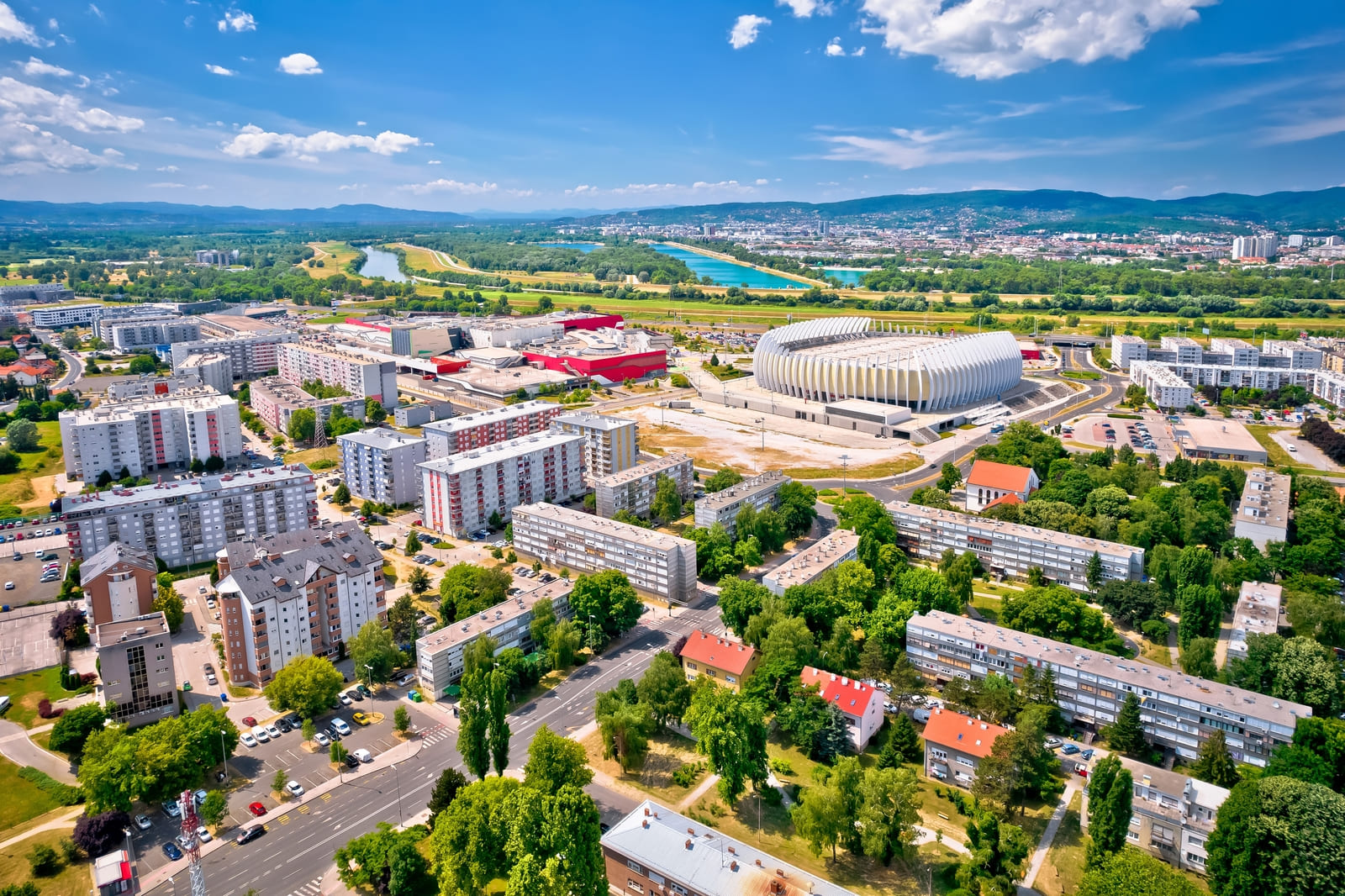
Zagreb is a city of diverse characters, and each neighborhood offers a different lifestyle:
-
City center – ideal for those who want to be in the heart of activity
-
Maksimir area – quieter family life with parks and nature
-
Trešnjevka and Trnje – balance between urban life and accessibility
-
Novi Zagreb – modern construction and more space
-
Podsljeme zone – more exclusive locations and privacy
Choosing the neighborhood is often just as important as choosing the property itself.
Why professional support is important
The process of buying property, especially in a competitive market like Zagreb, can be complex and demanding.
Professional support can significantly ease decision-making, reduce risks, and speed up the process.
Steps in the Property Purchase Process
Although buying an apartment or a house may seem simple at first glance, in practice it is a process that involves several important steps:
1. Property selection and viewings
The first step is to define your budget and needs, number of rooms, location, parking, balcony, or terrace. Viewings allow for a realistic assessment of the space and its potential.
2. Documentation check
The title deed, cadastral records, possible encumbrances or mortgages, and the building’s condominium registration are key elements that must be carefully reviewed.
3. Agreement and deposit
After deciding to purchase, a preliminary agreement is usually signed and a deposit is paid as confirmation of serious intent.
4. Sales contract
This defines all purchase conditions, deadlines, and obligations, and is notarized by a public notary.
5. Payment and transfer of ownership
After the purchase price is paid, ownership is registered in the land registry.
Legal aspects to understand
Special attention should be given to:
-
ownership title and encumbrances
-
building registration (condominiumization)
-
occupancy permit
-
differences between new and old properties
For foreign nationals, the process may involve additional checks and administrative steps, depending on the country they come from.
Hidden costs buyers often overlook
Although most buyers focus on the listed property price, the actual cost of purchasing is almost always higher. Additional expenses are often not immediately visible, but they significantly affect the overall investment.
The most common items include:
1. Property transfer tax or VAT
For older properties
Buyers typically pay a 3% property transfer tax calculated on the purchase price. For new builds, this tax is generally not paid, but the price already includes VAT, which is important to consider when comparing offers.
2. Notary and legal fees
Notarization of the sales contract is mandatory, and the cost depends on the property value. Many buyers also hire a lawyer to review the contract and ensure legal security of the transaction, which increases the cost but significantly reduces risk.
3. Agency commission
If the purchase is made through an agency
The commission is a standard cost, usually a percentage of the purchase price. Although it may seem like an additional expense, a quality agency often saves time, reduces risk, and helps secure a better purchase price through negotiation.
4. Banking and loan costs
When buying with a mortgage, additional costs include property valuation by the bank, loan processing fees, and notarization (solemnization) of loan agreements. These vary between banks but should always be included in the initial budget calculation.
5. Transfer and ownership registration costs
Although land registry registration itself is not the most expensive item, the process may include administrative fees and additional costs, especially if document corrections or coordination between the cadastre and land registry are required.
6. Renovation and additional investment
This is often the largest “hidden” cost. Even properties that appear move-in ready may require renovation, from minor cosmetic work to full refurbishment of bathrooms, kitchens, or installations. In older buildings, this cost can be significant and easily reach tens of thousands of euros.
7. Furniture and additional equipment
Property purchases often do not include furniture, appliances, or additional items such as lighting, curtains, or air conditioning. These are costs buyers often underestimate, but they can significantly increase the total investment before moving in.
In practice, the total investment is often 10–15% higher than the purchase price, and in the case of older properties, even significantly more.
Real-Life Example: How Much Does an Apartment in Zagreb Actually Cost?
To better understand how hidden costs affect the total investment, let’s take the example of purchasing an apartment in Zagreb valued at €300,000.
At first glance, the buyer plans for exactly that amount. However, the actual purchase cost often looks like this:
- Property transfer tax (3%): €9,000
- Notary and legal fees: €1,000 – €2,000
- Agency commission: €3,000 – €6,000
- Bank fees: €800 – €2,000
- Ownership registration and administrative costs: €200 – €500
- Renovation and basic furnishing: €10,000 – €30,000+
Total additional: €24,000 – €49,000+
What does this mean in practice?
An apartment that costs €300,000 on paper very often ends up as an investment of €320,000 to €350,000 or more in reality, depending on the condition of the property and the level of additional investment.
That is why experienced buyers always plan a buffer budget of 5–15% to avoid unpleasant financial surprises.
How an agency can make a key difference and why LUVA is a special partner
Buying property in Zagreb is not just about finding a listing, it is a process that involves market analysis, legal security, negotiation, and understanding the true value of a property.
This is exactly where agencies play a key role.
A good agency helps you:
In other words, a good agency doesn’t just find a property, it protects your investment.
LUVA Real Estate goes a step further.
As a local expert in premium real estate, LUVA combines in-depth knowledge of the Zagreb market with a personalized approach for each client. Every buyer receives:
- a selection of verified and relevant properties
-
a realistic market valuation
-
professional support in negotiations
-
full legal and administrative security
-
access to high-quality “off-market” opportunities
The goal of the LUVA approach is not only to complete a purchase, but to ensure that every decision is informed, secure, and sound in the long term.